Understand how travel planning influences business productivity and outcomes at trade shows such as Intermodal.
The Significance of Intermodal
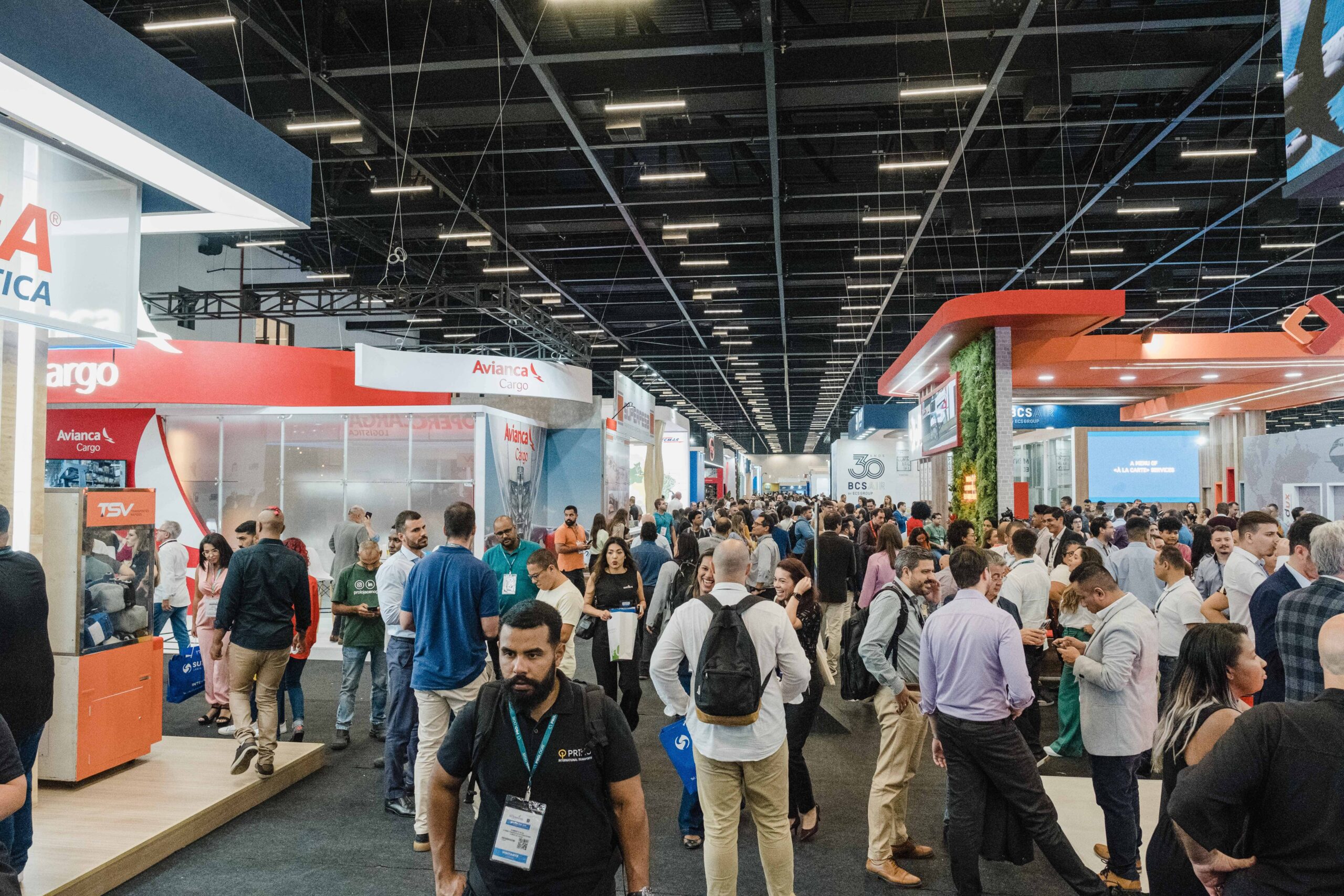
Intermodal South America 2026 already has a confirmed date, location, and, crucially, established significance. The 2025 edition underscored this by gathering nearly 50,000 professionals in the Anhembi District and reinforcing the fair's strategic role as a pivotal meeting point for those who shape, operate, and plan the future of logistics, transportation, and foreign trade. It is not merely a mandatory event but an environment where critical decisions are made, relationships are strengthened, and business opportunities emerge.
In this context, the manner in which a company organizes its team's participation transcends a mere operational detail and becomes an integral part of the event's overall strategy. Practical experience demonstrates that, at trade shows of this magnitude, success is not solely contingent on the quality of the booth, the commercial agenda, or the team's technical preparedness. The underlying logistics — encompassing travel, accommodation, schedules, and group coordination — directly impact productivity, focus, and even the institutional image the company projects to the market.
When Logistics Becomes More Than a Detail
However, even with an understanding of its strategic importance, companies often choose to make reservations as
each employee is confirmed. At first glance, this alternative seems prudent, as the final list of participants is not always determined well in advance. In practice, however, this approach often leads to undesirable consequences: increasing costs with each new purchase, difficulty finding accommodation near the pavilion, employees scattered across different flights and hotels, and a fragmented operation requiring constant coordination effort. In an event that demands full attention to stand operations, meeting schedules, and client and partner relationships, poorly planned logistics become a significant problem.


What changes when team logistics are treated as part of the strategy, rather than merely an operational detail?
Advance Planning and Block Bookings
It is precisely at this point that airline and accommodation block bookings emerge as a strategic, not merely financial, solution. By securing block bookings in advance, even without the complete definition of travelers, the company guarantees more advantageous rates before the natural market appreciation, preserves access to more convenient flights, and ensures accommodation in well-located hotels. Furthermore, it maintains flexibility: names can be confirmed closer to the event without compromising cost or availability.
The impact of this model extends beyond direct cost savings. When the team travels together, stays in the same location, and shares integrated logistics, management becomes simpler, alignment among employees increases, and the work environment during the fair becomes more fluid. Anyone who has had to coordinate a large group of employees for several days while setting up, maintaining, and staffing a corporate booth knows how minor misalignments can compromise pace, energy, and efficiency. Well-managed logistics, in this context, directly impact team performance.
There is also a less tangible, yet equally relevant, aspect: internal and external perception. For employees, an organized operation conveys care, professionalism, and a sense of belonging. Furthermore, well-structured interaction outside the usual work environment strengthens bonds and fosters engagement, especially within sales and relationship teams. For the market, a company that arrives organized, punctual, and cohesive reinforces an image of solidity, planning, and maturity—attributes that are crucial in highly competitive environments like Intermodal.
The Impact of Logistics on Team Performance
The experience of companies that regularly participate in the event confirms this effect. Teams that adopt advance planning with well-structured block bookings report not only greater logistical ease but also a better overall utilization of the event. The focus remains where it should be: on connections, negotiations, and strategic market presence.
Intermodal 2026 will not be smaller, simpler, or less competitive than the previous edition. On the contrary, all indications suggest that the event will continue to grow in relevance and complexity. Given this, treating team travel as a merely operational decision is to underestimate its impact on final performance, because planning in advance, securing block bookings, and structuring logistics in an integrated manner is not just a more economical choice, it is a strategic choice.