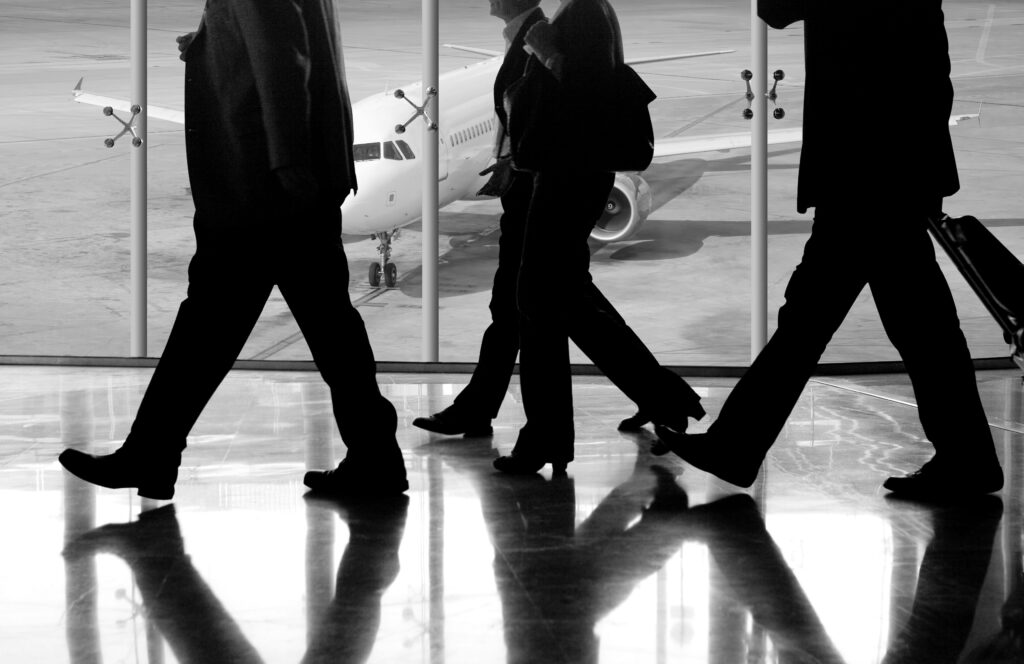
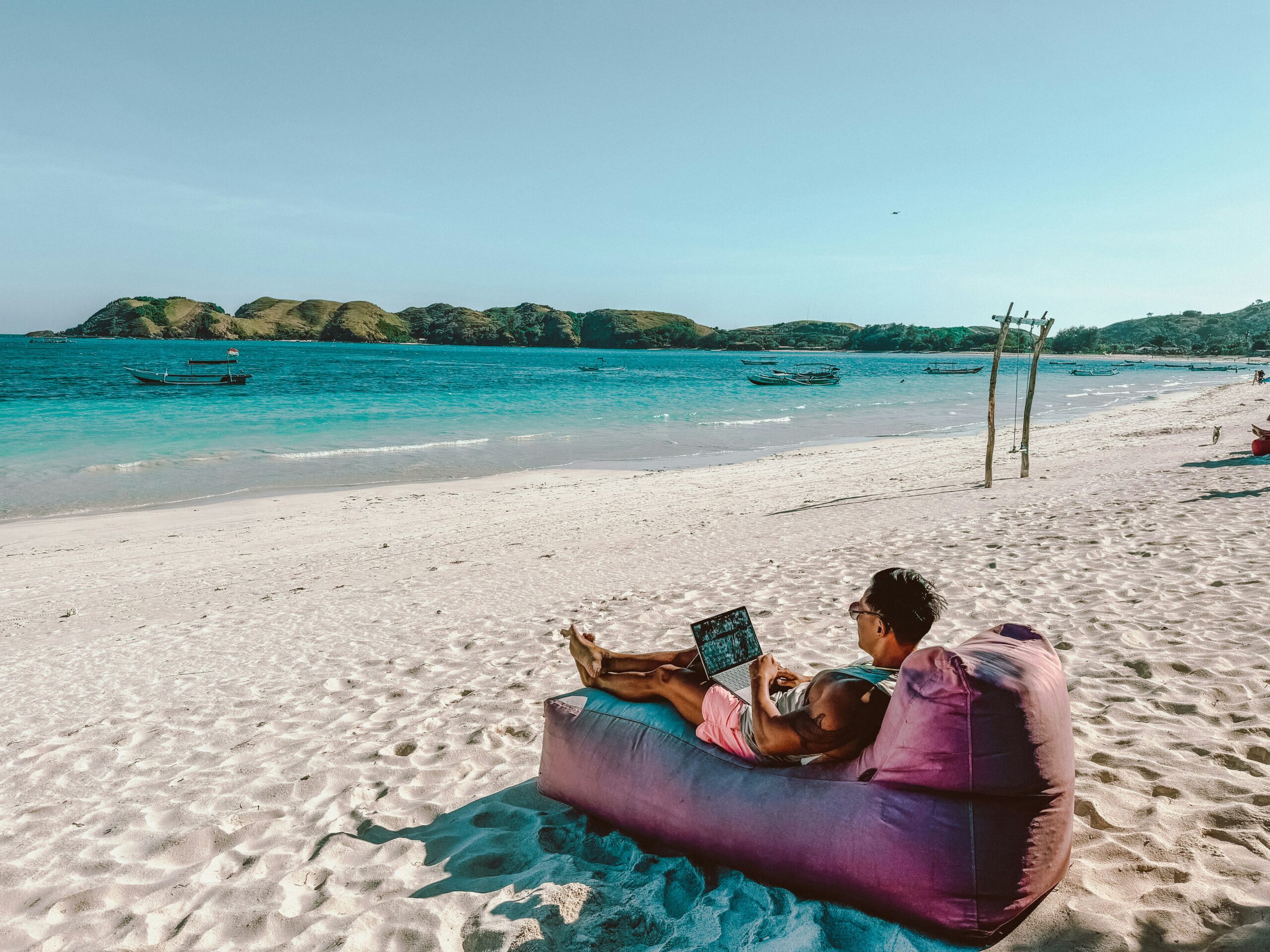
For a long time, business travel and leisure time occupied completely different places in people’s daily lives. While one was tied to work and professional obligations, the other represented a break, rest, and a chance to unwind.
In recent years, however, this division has begun to change.
With new ways of working, greater flexibility, and a more balanced approach to quality of life, a trend has emerged that is transforming corporate travel around the world: bleisure. The combination of business and leisure represents a new way of traveling—one that is smarter, more human, and in tune with the contemporary lifestyle.
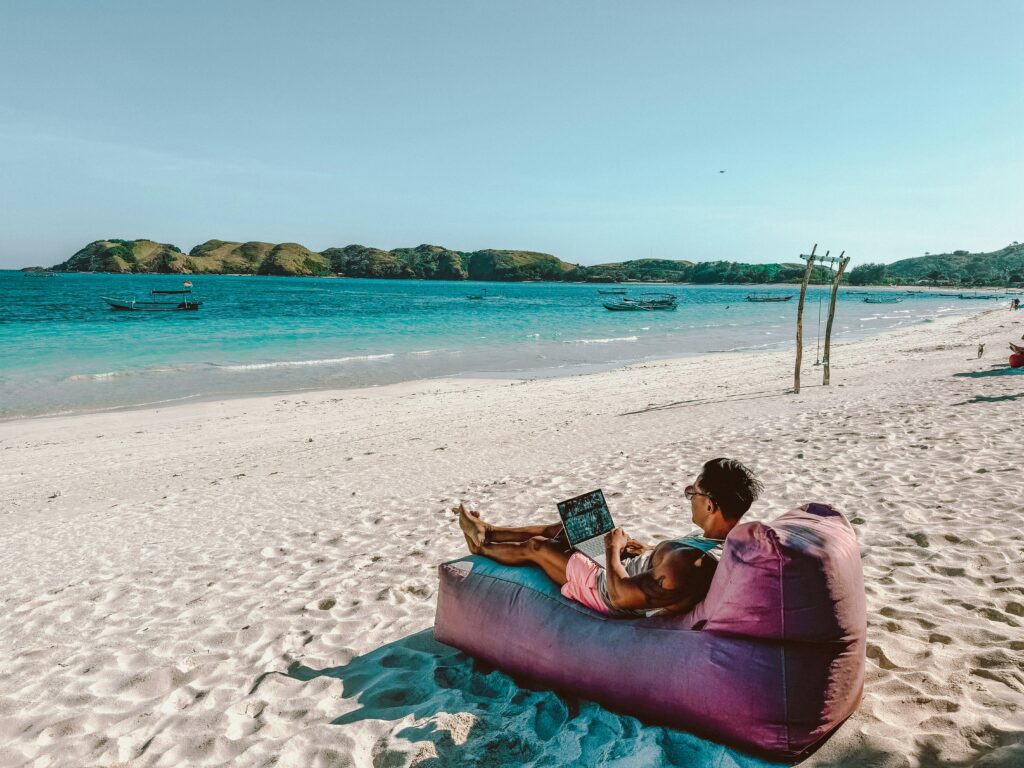
What is bleisure?
The term "bleisure" is a portmanteau of the words " business " and " leisure."
In practice, the concept refers to business trips that include time for relaxation, personal experiences, or an extended stay at the destination following business commitments.
This can happen in different ways:
• Extend your stay by a few days
• Include local tours and experiences
• Travel with family or a partner
• Balance meetings with downtime
• Explore the local culture during your business trip
More than just a trend, bleisure reflects a shift in the behavior of professionals and companies.
Why has bleisure grown so much?
The rise of hybrid and remote work has transformed people’s relationship with time, mobility, and productivity.
At the same time, professionals have come to place greater value on experiences, work-life balance, and quality of life—even while traveling for work.
In this context, bleisure has emerged as a way to optimize travel and make trips more enjoyable and meaningful.
Among the main factors driving this trend are:
• Greater professional flexibility
• The pursuit of work-life balance
• Interest in more authentic experiences
• Cost and travel optimization
• Prioritizing well-being while traveling
Today, many people choose to extend their business trips to make the most of their destination and turn the experience into a more fulfilling one.

Corporate travel is changing
Companies have also begun to recognize the positive impacts of this new model.
Less exhausting and more balanced travel contributes to:
• Improved employee well-being
• Reduced fatigue during commutes
• More positive corporate experiences
• Increased productivity
• Strengthened relationships and networking
In addition, destinations and hotels have been adapting their services to cater to this type of traveler, who combines business commitments with personal experiences.
How Hotels and Destinations Have Adapted to Bleisure
The rise of bleisure has had a direct impact on premium tourism and the hospitality industry.
Today, many hotels offer facilities designed to combine work, relaxation, and local experiences.
Among the most common adaptations are:
• hybrid spaces for meetings and relaxation
• wellness-focused accommodations
• culinary and cultural experiences
• personalized itineraries
• greater flexibility regarding length of stay
• corporate services integrated with leisure activities
Urban destinations, resorts, boutique hotels, and nature-based experiences have become part of this new travel trend.
The importance of curation in this new landscape
With travel becoming increasingly personalized, curation is essential for balancing logistics, comfort, experiences, and professional goals.
When it comes to bleisure, small details make all the difference:
• choice of accommodations
• strategic location
• well-planned itinerary
• experiences tailored to the traveler’s profile
• support throughout the entire journey
More than just arranging travel, BrazTrip believes in creating comprehensive, seamless experiences that are tailored to each ambassador’s stage of life.
The future of travel will become increasingly hybrid
The rise of bleisure shows that corporate travel is becoming more human, flexible, and attuned to new ways of living and working.
In a world where experience, well-being, and personalization are becoming increasingly important, combining business and leisure is no longer the exception—it has become part of the new way of traveling.
Because, in the end, some of the best experiences happen precisely when work and discovery manage to coexist on the same journey.